
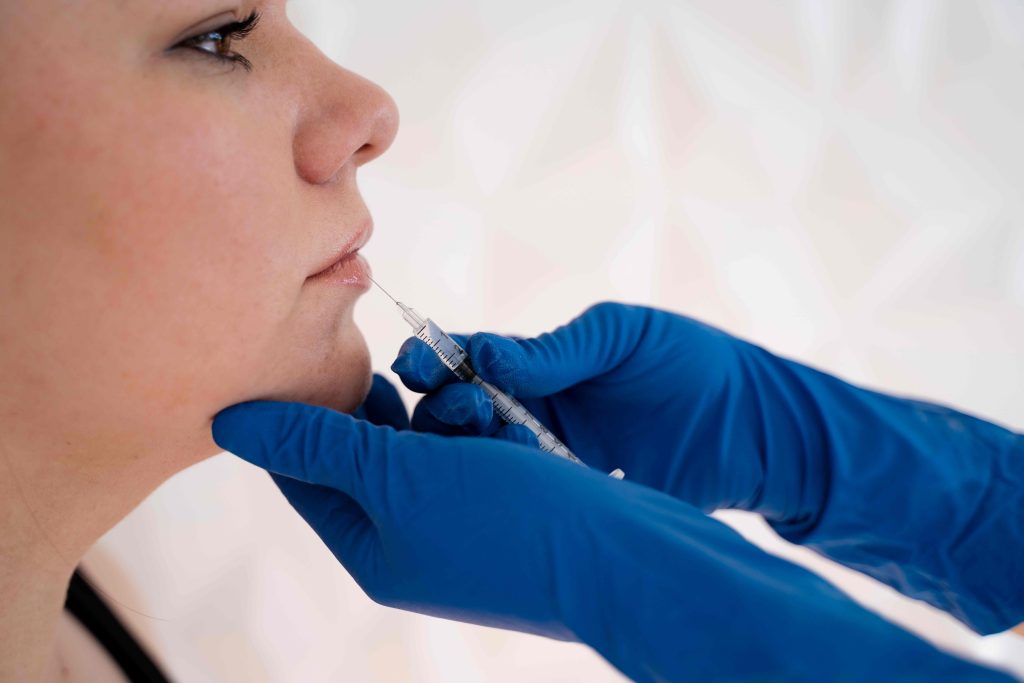
Dermal filler injections have become one of the most popular non-surgical cosmetic procedures worldwide. However, one of the most critical decisions in any filler treatment is the technique used—needle or cannula. Understanding the differences between these two approaches is essential for both practitioners and patients seeking safe and optimal results. In this comprehensive guide, we will explore everything about Cannula Techniques in Filler Injection, comparing them with traditional needle methods.
What Are Dermal Fillers?
Dermal fillers are injectable substances used to restore volume, smooth wrinkles, and enhance facial contours. Common types include hyaluronic acid fillers, calcium hydroxylapatite, and poly-L-lactic acid.
Injection Techniques Overview
There are two primary techniques used in filler injections:
- Needle-based injections
- Cannula-based injections
What Is a Needle Technique?
The needle technique uses a sharp, fine needle to inject filler directly into targeted areas. It allows precise placement and is commonly used in delicate areas such as lips and fine lines.
Advantages of Needle Technique
- High precision and control
- Ideal for superficial injections
- Effective for small, targeted areas
Disadvantages of Needle Technique
- Higher risk of bruising
- Increased chance of vascular injury
- Multiple injection points required
What Is a Cannula Technique?
A cannula is a blunt-tipped, flexible tube that is inserted under the skin through a single entry point. It allows the practitioner to distribute filler more evenly with minimal trauma.
Advantages of Cannula Techniques in Filler Injection
- Reduced risk of bruising and swelling
- Lower chance of vascular complications
- Fewer entry points needed
- Smoother and more even filler distribution
Disadvantages of Cannula Technique
- Requires higher skill and experience
- Less precise in very superficial areas
- May not be suitable for all facial zones
Needle vs Cannula: Key Differences
| Feature | Needle Technique | Cannula Technique |
|---|---|---|
| Tip Type | Sharp | Blunt |
| Precision | High | Moderate |
| Bruising Risk | Higher | Lower |
| Safety | Moderate | Higher |
| Injection Points | Multiple | Few |
When to Use Needle vs Cannula
Best Uses for Needle
- Lip augmentation
- Fine lines and wrinkles
- Precise contouring
Best Uses for Cannula
- Cheek augmentation
- Jawline contouring
- Tear trough treatment
- Large-volume filler distribution
Safety Considerations
Vascular Occlusion Risk
One of the most serious risks in filler injections is vascular occlusion. Cannula techniques significantly reduce this risk due to their blunt tip.
Bruising and Swelling
Cannula techniques typically result in less bruising and swelling compared to needles, making them preferable for patients seeking minimal downtime.
Skill and Training Requirements
Cannula techniques require advanced training and a deep understanding of facial anatomy. Practitioners must be skilled in navigating tissue planes safely.
Patient Experience
Pain Level
Patients often report less discomfort with cannula techniques due to fewer entry points and reduced tissue trauma.
Recovery Time
Cannula injections generally offer faster recovery with less visible bruising, making them ideal for patients with busy lifestyles.
Common Myths About Cannula Techniques
- Myth: Cannulas are always safer — Reality: Safety depends on practitioner skill.
- Myth: Cannulas are painless — Reality: Some discomfort is still possible.
- Myth: Needles are outdated — Reality: Needles are still essential in many treatments.
Advanced Techniques and Hybrid Approaches
Many experienced practitioners use a combination of both needle and cannula techniques to achieve optimal results. This hybrid approach allows precision and safety to be balanced effectively.
Choosing the Right Practitioner
Selecting a qualified and experienced injector is more important than the technique itself. Look for certified professionals with extensive experience in both methods.
Frequently Asked Questions (FAQ)
Is cannula better than needle?
It depends on the treatment area and desired results. Cannula is safer for large areas, while needle offers precision.
Do cannula injections hurt less?
Generally yes, due to fewer entry points and less tissue trauma.
Which technique is safer?
Cannula is considered safer in terms of vascular complications, but both are safe in skilled hands.
Can both techniques be used together?
Yes, many practitioners combine both techniques for optimal results.
How long do results last?
Results depend on the filler type but typically last 6–18 months.
Conclusion
Understanding the differences between needle and cannula techniques is essential for achieving safe and effective filler results. While both methods have their advantages, Cannula Techniques in Filler Injection are increasingly favored for their safety profile and reduced downtime. However, the expertise of the practitioner remains the most critical factor in ensuring optimal outcomes.
Ready to Master Advanced Filler Techniques?
Join professional training programs and elevate your skills in modern aesthetic injection methods.